
Alleged victims of an outbreak of listeriosis say that the South African Tiger Brands ‘should do the right one’

CNN
–
Theto Ngobeni was only 18 days old when doctors first placed a shunt in the back of her head to drain excess fluid that accumulated in her brain.
She was born with a condition known as Hydrocephalus, of which doctors said it was caused by a listeriosis infection that her mother had sustained during pregnancy.
Now seven, Theto has already undergone six operations to replace her shunt due to infections and blockages. Hospital accounts have the coverage of the health insurance policy of the family of five exhausted, foring which they are forced to sell their house to cover the rising debts.
“We are still guilty of the hospital, we are still guilty of the bank,” said Theto’s mother, Montlha, who herself had to undergo a double hip prosthesis at the age of 37 because of the Listeriosis infection. “It is very difficult and we are alone. Nobody helps us. ”
Listeriosis is a disease transmitted by food caused by the listeria bacteria. It can lead to serious diseases in risk groups, including the elderly, infants and pregnant women. Pregnant women can pass on the infection to their unborn babies, which may lead to lifelong health problems with the brain, the kidneys or the heart.
Montlha is one of the more than 1,000 people who were infected in South Africa between January 2017 and mid-2018 What the World Health Organization has named the world’s greatest outbreak of Listeriosis ever. According to the South African Ministry of Health, there were a total of at least 216 registered deaths, including 93 newborns younger than a month and nine children of 14 years and younger.
Others affected were, just like Theto, babies in the womb, who were left behind Serious health complications, including cerebral palsy and other neurological problems.
In March 2018, South African health officials brought the outbreak in connection with ready-made meat, mainly Polony, produced in an Enterprise Foods factory that was then owned by Tiger Brands, the largest food producer in the country.
The infected products had probably been produced and sold for more than a year, based on a timeline of the outbreak of the South African health department.
Following the findings of the health department, the company temporarily closed the factory in the city of Polokwane, north of Johannesburg, as well as two other locations in Germiston and Pretoria. It also called back his ready-made meat products and promised to tackle any “valid claims that could be made in due course”.
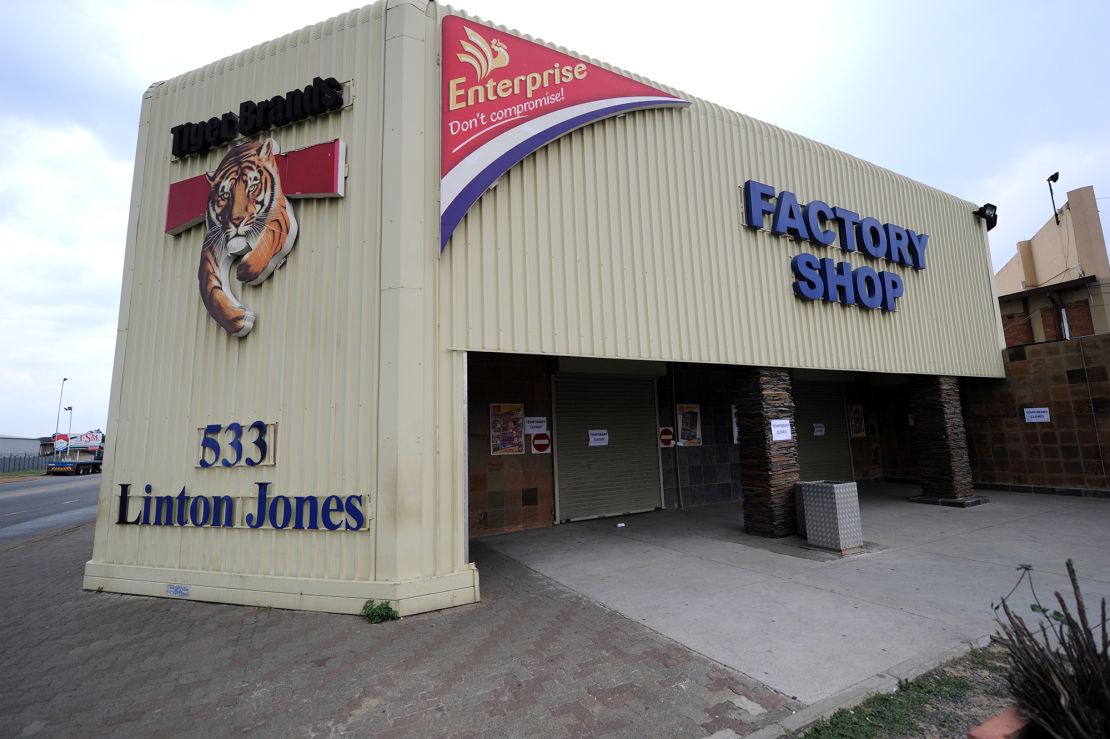
Almost seven years later, a Class Action right case that has been brought against the company on behalf of Montlha and more than 1,000 other claimants still have to be resolved, despite evidence collected by local health officials that relates the outbreak with the Enterprise Foods. Plants and products.
The court case claims based on that evidence that the claimants “have sustained listeriosis and suffered damage” after eating infected products produced by Tiger Brands, accusations that the company denies In legal files.
Tiger Brands states that “liability has not yet been established.”
“Although the legal process has proven to be long and difficult, we repeat our commitment to ensure that in the shortest possible time a solution is achieved for the Class Action right against Listeriosis, in the interest of all parties, in particular the victims of Listeriosis, “said the company. Cnn.
According to Thami Malusi, senior employee at Richard Spoor Incorporated Attorneys (RSI), the law firm that the Plaintiffs, the case could finally come to court this year. He said CNN that the discussions about a settlement ‘well’, but noticed that RSI was go through in preparation for the court case.
Last year, the United States had their own deadly Listeria outbreak that was related to meat products produced by Boar’s Head, a well-known delicatess brand that sells ready-made meat and cheese in supermarkets throughout the country.
According to the American Centers for Disease Control and Prevention (CDC), ten people died and 61 people got sick after eating the infected products. Federal health officials stated that the outbreak was over in November, but the company is now confronted with several lawsuits related to the outbreak.
In a letter to customers in September, Boar’s Head apologized for the Listeriabes infection of his liver sausage product and said it “took all -embracing measures … to prevent such an incident from ever occurring.”
Bill Marler, co-founder of the American law firm Marler Clark in the field of food safety, represents around twenty people in cases against the company. As a leading lawyer in the field of diseases transferred by food, he also consulted RSI about the Tiger Brands case.
“It is likely that my clients in the US will get justice before the people in South Africa see even a cent when it comes to compensation,” he told CNN.
Marler suggests that if the South African Listeriosis outbreak had taken place in the US, the responsible company would probably have to pay between $ 1 and 2 billion in compensation. For comparison: Tiger Brands, if he was found to be responsible for the outbreak by a judge, could be able to hook up for only 2 billion edge ($ 106 million), according to the first estimates of the lawyers who have filed the Class Action right case.
“It was very clear in 2018 that the cause of this outbreak was the Tiger Brands factory and that it was the Polony,” said Marler.
“Nothing has changed, except that there have been six or seven years in which the victims left nothing left. I think that is a mockery. ”
The RSI case is highly dependent on specialized genetic tests carried out by the South African CDC equivalent, the National Institute for Communicable Diseases (NICD). It is known as ‘Whole Genome sequencing’ and linked the same Listeria tribe that is found in the Enterprise Foods Polokwane factory and products to the tribe found in the majority of the people who were sick.
Dr. Juno Thomas, head of the Center for Bowel Diseases of the NICD, compared the tests with ‘DNA fingerprints’ with which the Institute could compare the bacteria of patients, infected food and the factory. “And with great accuracy determine whether they match exactly.”
The general presence of the so -called ‘outbreak tribe’ was decisive proof of the source of the outbreak ‘, she told reporters in March 2018. The NICD has not identified the same tribe at any other meat processing factory in South Africa.
In a statement from the following month, Tiger Brands acknowledged that his own tests had also found the same Listeria tribe in a monster of ready-made meat products from the Enterprise Foods. Location in Polokwane.
The company told CNN this month that the refusal of the NICD to “share all the data that it has … has considerably impedes a faster solution of the problems”. The case.
Malusi of RSI disputes that, and says that the results of the entire GenomeSequencing tests of the NICD have long been made available to Tiger Brands and “all the necessary evidence” to associate the company with the outbreak.
“Tiger Brands could have arranged this case for a long time if they had wanted it,” Malusi told CNN. Only in recent months did the company have tried to offer some financial help to victims with urgent medical needs, but for the most part this was “obstructive and not cooperating,” he said.
The NICD refused an interview with CNN, but made a connection between the outbreak and the Enterprise Foods in a statement from April 2018 Facility, it said, “It is extremely misleading if someone claims that the primary cause of this outbreak of listeriosis is unknown.”
Tiger Brands must ‘take responsibility’
While the legal process continues, Montlha says She is desperately looking for Tiger Brands to ‘do the good’.
“Our innocent children fight for something they didn’t eat. (Tiger Brands) owes us an apology and then a compensation, “she added.
Nthabiseng Ramanamane shares that feeling. Ramanamane, one of the other claimants in the Class Action demanding compensation from Tiger Brands, rose during pregnancy Listeriosis, reportedly after he had eaten Polony that had been made by the company.
Her son, Onkarabile, was born more than two months early with cerebral palsy.
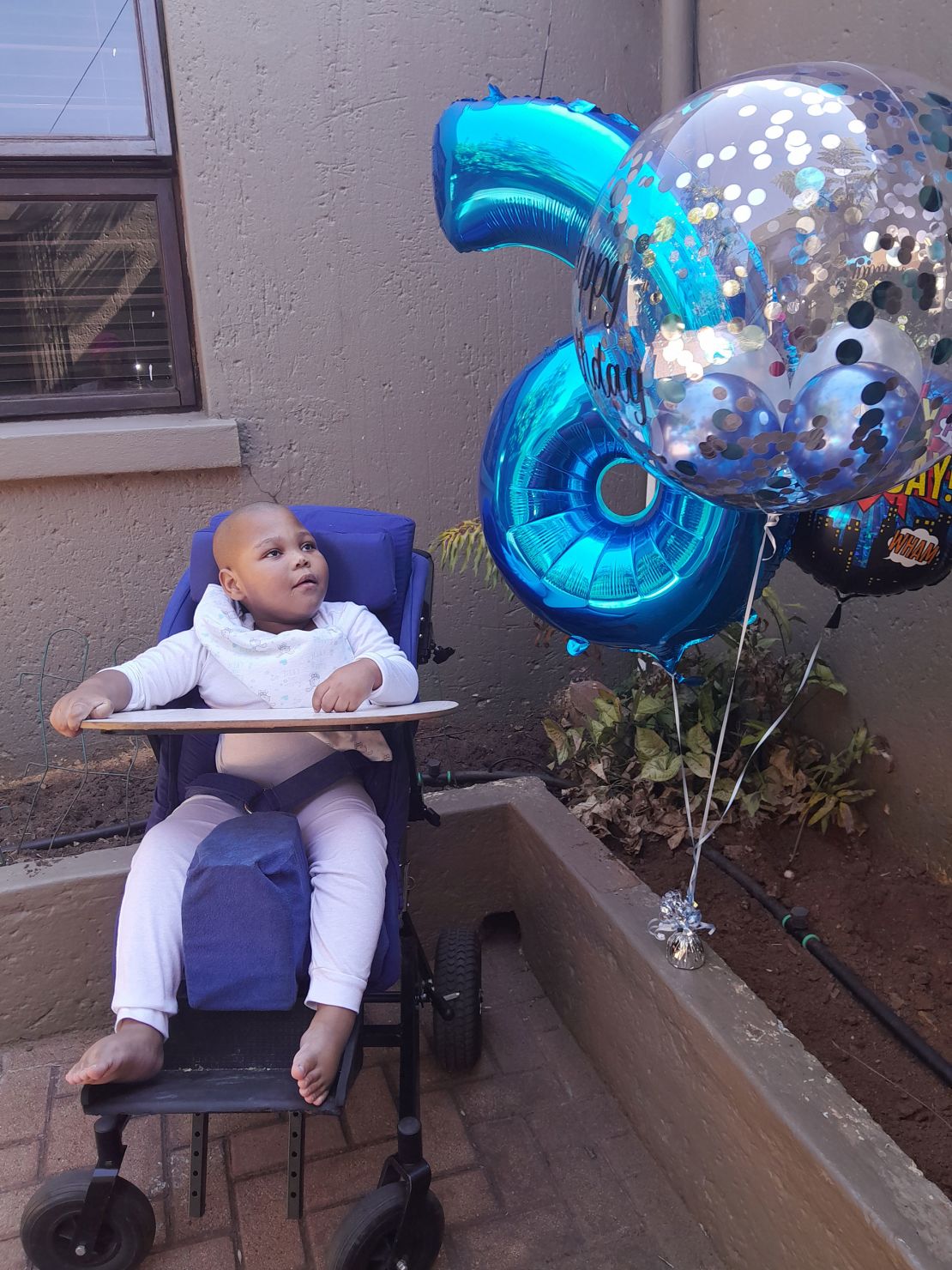
“I would like to ask Tiger Brands to take responsibility and show regret to the people affected by their negligence,” she told CNN.
Now that he is seven, he can no longer perform the most basic functions, such as feeding himself, sitting upright without help or turning around at night. He needs diapers for adults and a special diet. Just like Theto, he has undergone various operations in his short life.
“I was a frequent buyer of (Tiger Brands) products. I loved the meats and considered them safe, “said Ramanamane. “I didn’t know it would cost my entire life and that it would literally steal my son’s life.”


